


Step-by-Step Installation Process
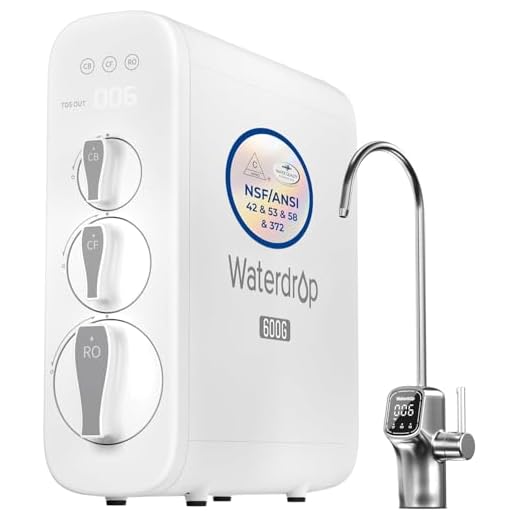
Installing a reverse osmosis water filter can greatly improve your access to clean drinking water. It’s important to choose a suitable spot for the unit, often under the kitchen sink, to connect it effectively to your water supply. Make sure to gather all required tools and parts before starting the process. This preparation will streamline your installation and reduce the time spent on the project.
Begin by shutting off the water supply to avoid any spills during the installation. Next, attach the feed water connector to the existing cold water line. This connection will provide the necessary water source for filtration. Tighten the fittings carefully to prevent leaks and ensure a secure connection. Once the water supply is established, you can continue with the next stages of the installation process.
Connecting the Water Supply
Begin by shutting off the main water supply to prevent any leaks or spills during installation. Locate the cold water supply line under your sink. This is typically the pipe that runs to your faucet. Use a pipe cutter or wrench to carefully disconnect the cold water line. Ensure you have a towel or bucket handy to catch any residual water. Once disconnected, the appropriate adapter will need to be installed on the cold water line.
After the adapter is in place, connect the feed water line from your reverse osmosis system to the adapter. Make sure to tighten the connections tightly but be cautious not to overtighten, as this can lead to damage. It is also essential to check for any signs of leakage after making the connections. This initial stage is crucial for ensuring that the water supply is properly set up before moving forward with the installation of other components of the system.
Installing the RO Membrane
Begin by locating the RO membrane housing, often a cylindrical container typically mounted on your filtration system. Open the housing according to the manufacturer’s instructions, which usually involves unscrewing a cap or releasing a locking mechanism. Handle the membrane with care, avoiding any contact with the non-filtration side. Insert the membrane gently into the housing, ensuring it fits snugly without forcing it. Pay attention to the orientation; many membranes have specific flow directions that should be adhered to for optimal performance.
After positioning the membrane within the housing, replace the cover securely to prevent leaks. Double-check the seals and gaskets to ensure they are intact and correctly aligned. It is essential to avoid any debris or foreign particles within the housing, as this can hinder efficiency and lead to potential contamination. Once assembled, proceed to reconnect any tubing or lines that may have been detached during the installation process.
Proper Placement and Sealing
Finding the right location for your reverse osmosis membrane is essential for optimal performance. It should be placed in a clean, dry area that allows for easy access for maintenance. Avoid areas where extreme temperatures or humidity levels can occur, as these factors may affect the efficiency of the system. Make sure the membrane housing is securely fastened to avoid any movement that could disrupt the delicate filtration process.
Proper sealing is crucial to prevent leaks and ensure the system operates effectively. Check all connections to make sure they are tight and secure. Use Teflon tape on threaded connections to create a watertight seal. After installation, run the system for a short period to check for any signs of leakage. Address any issues immediately to avoid potential damage or reduced efficiency of your reverse osmosis system.
Setting Up the Storage Tank
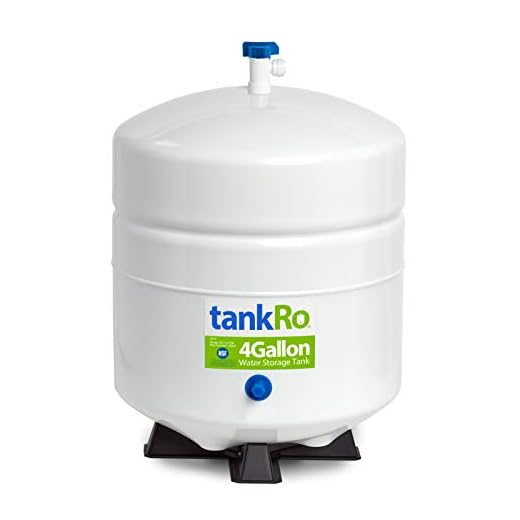
Choosing the right location for the storage tank is crucial for efficient water filtration. It is often best placed in a kitchen cabinet or a nearby utility space to ensure minimal disruption in your living area. Ensure that the tank is on a flat surface to allow for a stable installation. Avoid areas where it might be exposed to extreme temperatures, as this can affect water quality and tank integrity.
To connect the storage tank, use the provided tubing to link it to the water filter system. Properly secure all connections to prevent leaks. Once the tank is in position, ensure that the shut-off valve is accessible for future maintenance. After everything is connected, check for any signs of leakage before moving on to the final setup steps. This will assure that your system is ready for operation without issues down the line.
Location and Configuration Tips
Selecting the right location for your reverse osmosis (RO) storage tank is essential for optimal performance and ease of use. Find a spot near the filtration system to minimize the length of the connecting tubing. Underneath the kitchen sink is a popular choice due to convenient access to both water supply and drainage. Ensure that the area is dry and free from potential leaks or moisture, which could lead to complications.
When configuring the tank, consider any available vertical space. A tall, narrow tank may fit better in confined areas than a wider one. Make sure the tank is positioned upright to prevent issues with water flow and pressure. Also, keep in mind that the tank should have enough clearance for servicing or replacing parts in the future, as well as for routine maintenance of the filtration system.
FAQS
What is a reverse osmosis water filter?
A reverse osmosis water filter is a purification system that removes contaminants from water by pushing it through a semipermeable membrane, effectively filtering out impurities and providing clean drinking water.
Do I need any special tools to install a reverse osmosis system?
Generally, you will need basic tools such as a wrench, screwdriver, and pliers. Depending on your specific system, you might also need a drill for mounting the storage tank.
How often do I need to replace the RO membrane?
The RO membrane typically needs to be replaced every 2 to 3 years, but this can vary based on water quality and usage. Regularly checking the system’s performance can help determine when it needs replacement.
Can I install a reverse osmosis system myself?
Yes, many homeowners can install a reverse osmosis system themselves by following the step-by-step instructions provided in the installation manual. However, if you’re not comfortable with plumbing tasks, it may be best to hire a professional.
Is it necessary to pre-filter water before it enters the RO system?
While it’s not strictly necessary, using a pre-filter can help extend the life of the RO membrane by removing larger particles and sediment, improving the overall performance of the filtration system.
Related Links
Why Proper Installation Matters for Water Filter Efficiency
What to Know Before Installing a UV Water Purifier
Roundup of the Best Installation Practices for Water Filters
5 Essential Steps to Install Your Water Filter System