

Ensuring Proper Connections
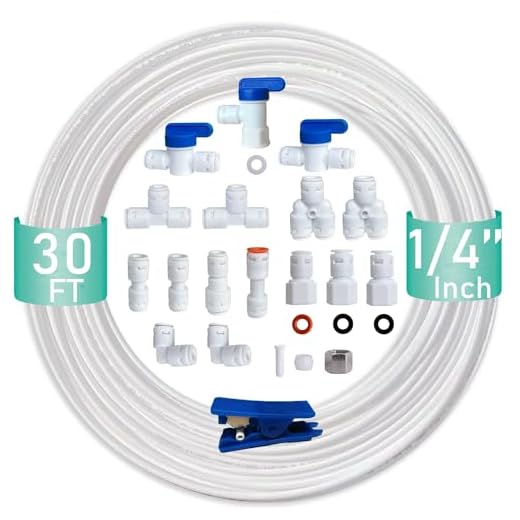
When installing a water filter system, the integrity of all connections is paramount. Each fitting, whether threaded or push-fit, should be securely fastened to prevent any leaks. Using Teflon tape on threaded connections can enhance the seal and ensure a tight fit. It is crucial to tighten connections according to the manufacturer’s specifications to avoid over-tightening, which might cause damage.
Inspecting hoses and fittings for any signs of wear or damage should be part of the installation process. Replacing any compromised parts before connecting the system can save time and potential headaches later. Additionally, ensuring that connections are clean, free of debris, and properly aligned will facilitate a more effective and efficient installation.
Techniques for Leak-Free Plumbing
Creating a secure plumbing connection is essential for preventing leaks in your water filter system. Start by ensuring that the pipes and fittings are clean and free of debris. Use Teflon tape around threads before tightening them together. This tape acts as a sealant that helps fill any gaps between the threads, reducing the chance of leaks. Utilizing the correct tools to tighten the connections properly is also critical. Over-tightening can damage the fittings, while under-tightening may leave them vulnerable.
Another effective method for achieving leak-free plumbing is to invest in high-quality connectors and fittings designed specifically for water applications. These components often contain durable materials that resist wear and tear from water exposure. Regular inspection of your connections can help identify potential issues before they turn into problems. If leaks are discovered, addressing them promptly with appropriate sealants or replacements will contribute to a more reliable filtration system.
Testing Your Water Filter System
Testing a water filter system is essential to ensure that it operates effectively and meets safety standards. Before using the system, run initial quality checks on the water to identify potential contaminants. This can involve simple tests for chlorine, lead, or bacteria, depending on the water source. Home test kits are widely available and provide a straightforward approach to gauge water quality. Knowing the baseline results helps to understand what the filter needs to address.
After installation, periodic testing is advisable to monitor the system’s performance. Regular checks can help determine the filter’s lifespan and efficiency, allowing for timely replacements or adjustments. Using a combination of visual inspections and water quality tests will provide insight into how well the filter is working. Keeping a log of test results aids in tracking changes over time and ensures that the water remains safe and clean for consumption.
Initial Water Quality Checks
Understanding the quality of your water supply is essential before installing any filtration system. Start by conducting a comprehensive water test. This will help identify contaminants such as chlorine, lead, or bacteria. Many local health departments offer testing services or kits that can be easily purchased online. If you suspect issues like high sediment levels or unusual tastes and odors, specific tests for those conditions should also be completed.
Once your water quality has been assessed, compare the results with the specifications of your chosen filter system. Different filters target various contaminants, and knowing what needs to be removed will help ensure you select the right product. Maintaining accurate records of your water tests will not only aid in the initial setup but will also inform your ongoing maintenance efforts. Proper initial checks provide a solid foundation for effective filtration.
Regular Maintenance Practices
Maintaining your water filter system is essential for ensuring optimal performance. This includes regularly checking for any visible signs of wear or damage to filters and tubing. Schedule routine inspections at least once a year to assess the components. Replace filters according to the manufacturer’s recommendations, as neglecting this step can lead to decreased water quality and potential blockages.
Cleaning is another critical aspect of maintenance. Rinse or scrub components as needed to prevent the buildup of sediment and contaminants. Depending on the type of filter system, using recommended cleaning solutions can enhance the life of the unit. Staying proactive with maintenance not only extends the lifespan of the water filter but also ensures that it continues to operate effectively.
Tips for Longevity and Efficiency
Regularly replacing filter cartridges is crucial for maintaining optimal performance. Different types of filters have various lifespans, so it is important to follow the manufacturer’s recommendations for replacement intervals. Keeping a record of replacement dates can help you stay on top of this task. Also, monitoring water quality can alert you to any issues that arise before they become significant problems.
Cleaning the system periodically helps ensure long-lasting functionality. Inspecting connections and fittings for wear and tear may prevent leaks. Additionally, flushing your filter system according to guidelines can eliminate any stagnant water and build-up. Proper storage of replacement filters in a cool, dry place extends their usability. Following these practices not only enhances performance but also provides peace of mind.
FAQS
What are the essential steps for ensuring proper connections when installing a water filter?
Essential steps include making sure all fittings are tightened properly, using plumber’s tape on threaded connections, and checking for compatibility between the filter and existing plumbing.
How can I achieve leak-free plumbing during my water filter installation?
To achieve leak-free plumbing, ensure all connections are secure, double-check that seals are intact, use quality materials, and conduct a thorough inspection for any signs of leaks after installation.
What should I do to test my water filter system after installation?
After installation, run water through the system and check for leaks, ensure the flow rate is as expected, and consider using water testing kits to verify the filter’s effectiveness in removing contaminants.
What initial water quality checks should I perform before installing a water filter?
Initial checks should include testing for pH levels, chlorine levels, and specific contaminants present in your water supply, which will help you choose the right type of filter for your needs.
What are some regular maintenance practices I should follow to extend the life of my water filter?
Regular maintenance practices include changing filters as recommended by the manufacturer, cleaning the system components, and performing routine checks for leaks or sediment build-up to ensure optimal performance.
Related Links
5 Essential Steps to Install Your Water Filter System
How to Install a Whole House Water Filter System
Review of Top Guides for Installing Water Filters
Historical Changes in Water Filter Installation Techniques