

Analyzing Water Softener Issues
A water softener’s primary role is to remove hardness minerals from the water supply. If you’re experiencing reduced water flow, it is essential to check for any issues with the softener itself. Clogs in the resin bed can accumulate over time, leading to decreased efficiency. Regularly inspecting the resin beads for any buildup can prevent these problems. Additionally, ensuring that the brine tank is properly filled and functioning is crucial for the regeneration process, as inadequate brine can lead to insufficient softening.
Another factor to consider is the regeneration cycle of the softener. If this cycle is set incorrectly, it may not operate efficiently, resulting in decreased water pressure. The frequency and duration of regeneration should match your household’s water usage, and any changes in water consumption patterns can necessitate adjustments. Checking the timer settings or flow meter can help ensure that the softener regenerates at appropriate intervals, maintaining optimal performance and preventing water flow issues.
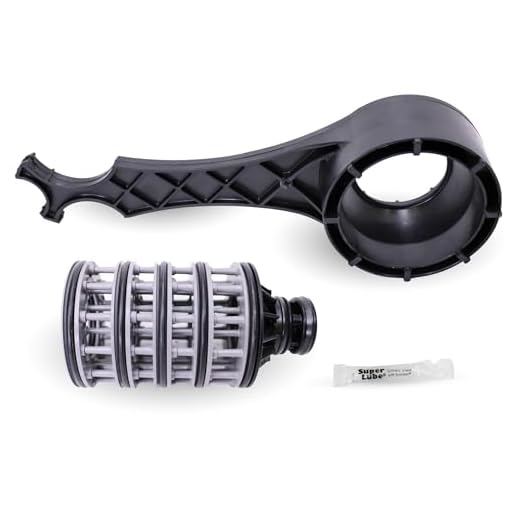
Understanding Regeneration Cycles
Regeneration cycles are essential for maintaining the efficiency of water softeners. These cycles typically occur after a set amount of water has been treated or on a timed basis, depending on the system’s settings. During regeneration, the resin beads that capture hardness minerals are flushed and recharged with sodium ions. This process helps to restore the softening capacity of the unit, ensuring that water remains free of scale and buildup.
Several factors can impact the frequency and effectiveness of regeneration cycles. The hardness of the incoming water influences how often the system requires regeneration. If water flow is reduced, it may signal that the regeneration process is not functioning correctly or that the system is unable to handle the current demand. Regularly checking the softener settings and the resin’s condition can help prevent issues related to insufficient water flow.
Inspecting Your Water Heater
A well-functioning water heater is essential for maintaining a steady flow of hot water throughout your home. Begin by checking the temperature setting on the thermostat. If it is set too low, the water may not reach the desired temperatures, which can lead to a perceived reduction in flow. Additionally, inspect the unit for any visible leaks or corrosion, as these issues can significantly impact performance. A buildup of sediment in the tank can also restrict water flow. Flushing the tank regularly can help alleviate this problem.
If the water heater is powered by gas, ensure that the pilot light is lit and functioning properly. A malfunctioning gas valve can lead to inconsistencies in the heating process. For electric units, inspect the circuit breaker and fuses to make sure they are working correctly. Also, consider checking the heating elements, as damaged or faulty components can cause inefficiencies in heating water. Regular maintenance of the water heater not only improves performance but also extends the life of the appliance.
Troubleshooting Temperature and Pressure Problems
Temperature fluctuations in water systems can be indicative of several underlying issues. A malfunctioning thermostat may be causing the water heater to not heat the water to the desired temperature. Inconsistent temperatures can lead to discomfort and should be addressed promptly. Additionally, sediment buildup in the tank can hinder proper heating and reduce overall efficiency. Cleaning or flushing the tank may be necessary to restore optimal performance.
Pressure problems can arise from various sources, including blockages in the plumbing system. Inspecting faucets and showerheads for mineral deposits can provide insight into potential flow restrictions. Leaks in the piping can also contribute to low pressure, making it essential to examine visible sections of the plumbing for any signs of wear or damage. Regular maintenance of valves and fixtures will help prevent these issues from escalating.
Understanding Municipal Water Supply
Municipal water supply systems are designed to deliver adequate water to residential and commercial areas. These systems often rely on a network of pipelines, pumps, and treatment facilities. Water is drawn from various sources, including rivers, lakes, and underground aquifers. Treatment facilities ensure that the water meets safety and quality standards before it reaches consumers. Understanding the sources and mechanics of your local water supply can help identify potential issues with flow and pressure.
Factors affecting community water flow can vary widely. Drought conditions may lead to restrictions on water usage, while maintenance work on pipelines can temporarily reduce pressure. Seasonal changes can impact supply volumes, and population growth might strain existing infrastructure. Being aware of these influences allows homeowners to anticipate fluctuations in water availability and respond accordingly. Regular communication with local water authorities can provide insights into any ongoing challenges within the municipal supply system.
Factors Affecting Community Water Flow
Community water flow can be significantly influenced by various factors, including pipe infrastructure age and maintenance practices. Older pipes often suffer from corrosion or blockages that restrict water flow and can lead to leaks. Additionally, inadequate maintenance may exacerbate these issues, resulting in further reductions in flow rates for residents. Regular inspections and upgrades to the piping system are essential in mitigating these challenges.
Weather conditions also play a crucial role in shaping water flow within a community. During periods of drought, reduced water availability in reservoirs can directly impact how much water is supplied to households. On the other hand, heavy rainfall may lead to flooding, overwhelming the local water treatment facilities and affecting their efficiency. Both scenarios highlight the necessity for communities to implement effective water management strategies to ensure consistent supply and optimal pressure for all users.
FAQS
What are common signs that my water flow has been reduced?
Common signs of reduced water flow include weak water pressure when using faucets or showers, slow filling of bathtubs or sinks, and inconsistent water temperature.
How can I tell if my water softener is the cause of reduced water flow?
Check for any visible blockages in the water softener, ensure the salt levels are adequate, and analyze the regeneration cycles to see if they are functioning properly.
What should I inspect if my water heater is affecting flow?
Inspect the temperature and pressure relief valve, check for sediment buildup at the bottom of the tank, and ensure the heating elements are functioning correctly.
How can municipal water supply issues impact my water flow?
Municipal water supply issues can arise from maintenance work, pipe leaks, or changes in demand, which can lead to decreased water pressure in your home.
What factors should I consider when analyzing community water flow?
Consider the age of the infrastructure, seasonal changes in water demand, and local regulations that may affect water supply and distribution.
Related Links
Why Does Your Water Filter Need Continuous Assessment
Why is Regular Troubleshooting Important for Water Filters
Roundup of Expert Tips for Water Filter Maintenance
Review of Troubleshooting Manuals for Water Filters