
User Experience and Ease of Use
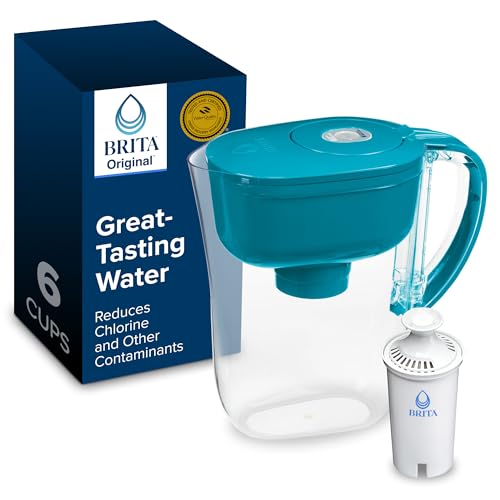
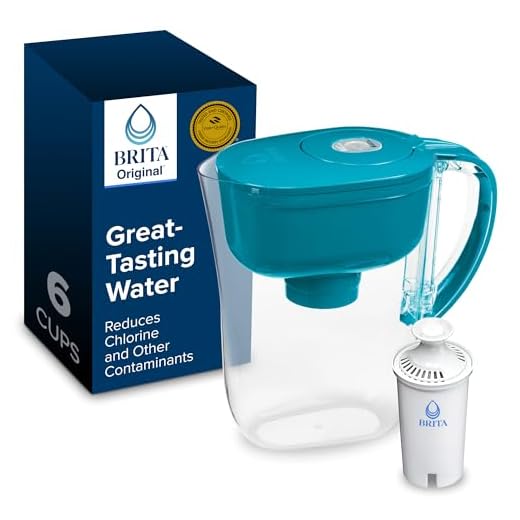
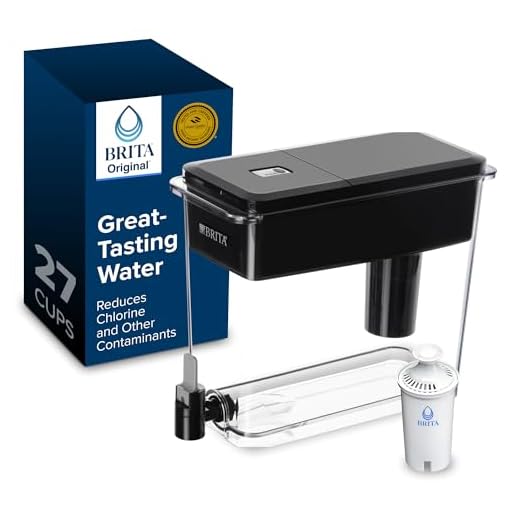
Users often find the Brita water filter system straightforward and user-friendly. Many appreciate the clear markings on the filter pitchers, which indicate when it’s time to replace the filter. The pitcher design allows for easy pouring, while the filter itself can be easily inserted and removed. This design consideration contributes to a seamless experience, catering to a variety of users, including those who may not have extensive knowledge about water filtration systems.
Maintaining the Brita filter is equally simple. The filtering process requires minimal effort, and users only need to occasionally check the filter status indicator or follow the time recommendations for replacements. Cleaning the pitcher is a hassle-free task, as most components are dishwasher-safe. Overall, the attention to detail in both setup and maintenance significantly enhances user satisfaction, making hydration accessible and convenient.
Setup and Maintenance Tips
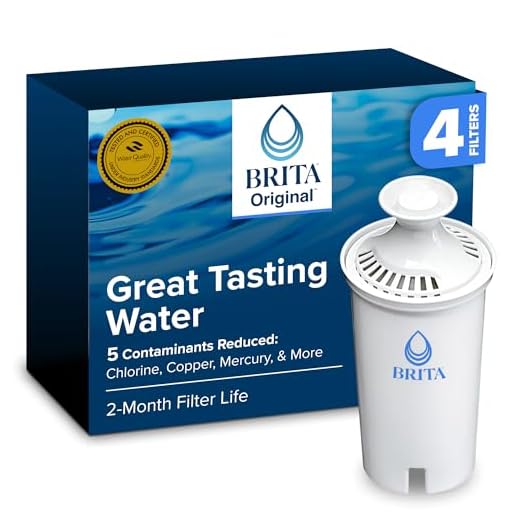
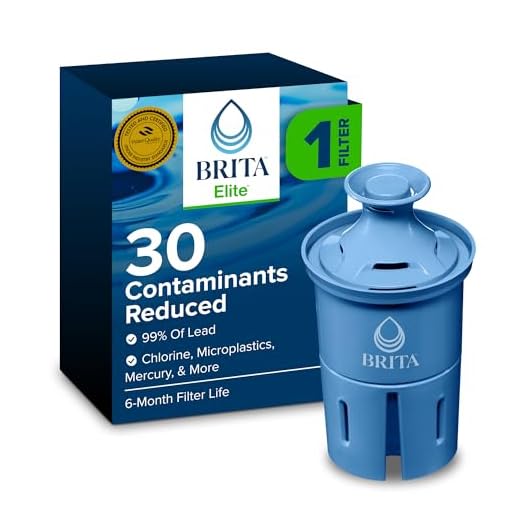
Setting up a Brita water filter is straightforward and can be completed in a few simple steps. First, rinse the filter under cold water for about 15 seconds before installing it into the pitcher or dispenser. This initial step ensures optimal performance from the start. Once the filter is in place, fill the container with tap water and let it sit for about 30 minutes to allow the filter to activate fully. Regularly check the filter indicator to see when it needs replacing, which usually occurs after filtering about 40 gallons of water or approximately every two months.
Maintenance of the Brita system is minimal but essential for continued effectiveness. Clean the pitcher or dispenser periodically with warm, soapy water to prevent any buildup of bacteria or minerals. Avoid using abrasive cleaners or scouring pads, as these can scratch the surface and create places for contaminants to settle. It’s also important to store the filter in a cool, dry place when not in use. Consider keeping a calendar reminder or setting an alarm for filter changes to maintain optimal filtration performance consistently.
Environmental Impact
The rise in plastic pollution has prompted many consumers to seek alternatives to bottled water. Brita filters provide a practical solution by significantly reducing the amount of plastic waste generated from single-use bottles. Each filter can replace up to 300 standard 16-ounce bottles, leading to a notable decrease in the amount of plastic that ends up in landfills and oceans. By using a Brita water filter, individuals can contribute to environmental preservation while enjoying clean drinking water.
In addition to reducing plastic waste, Brita filters can have a positive impact on carbon emissions. The production and transportation of bottled water require substantial energy, contributing to greenhouse gas emissions. By filtering tap water at home, users not only save on the energy associated with bottling and shipping water but also support local water supplies. This shift towards sustainable water consumption encourages a more eco-friendly lifestyle and promotes awareness about the importance of reducing reliance on single-use plastics.
Reducing Plastic Waste with Brita
The use of Brita water filters plays a significant role in decreasing plastic waste generated from bottled water consumption. Each year, millions of plastic water bottles end up in landfills and oceans, contributing to overwhelming pollution. By choosing a Brita filter, consumers can fill reusable containers with filtered water, reducing the reliance on single-use plastics. This shift not only lessens the environmental footprint but also promotes a more sustainable lifestyle.
Brita provides a practical solution to the growing awareness of environmental issues. With the convenience of filtered water at home, individuals can contribute to reducing the staggering amount of plastic that harms ecosystems. The act of filtering tap water serves as an effective means of minimizing waste while also encouraging responsible consumption habits. Many users find that they can enjoy fresh, great-tasting water without the guilt of contributing to a plastic waste crisis.
Cost Analysis
When assessing the financial implications of using a Brita water filter, it is essential to consider both the initial investment and ongoing expenses. A Brita pitcher or faucet system typically comes with a moderate upfront cost, which is often offset by the long-term savings realized through decreased reliance on bottled water. Replacement filters, while an additional expense, are designed to be cost-effective over time. Consumers can find various purchasing options that fit different budgets, ensuring that most households can find an appropriate model.
Evaluating the overall savings requires consideration of the volume of bottled water consumed. The average price of bottled water can quickly add up, leading to significant expenses over time. In contrast, filtered tap water can offer a much lower per-gallon cost. Ultimately, the financial advantages of using a Brita filter become more apparent with regular use, making it a practical choice for both economic and environmental reasons.
Long-Term Savings vs. Bottled Water
The financial benefits of using a Brita water filter can become quite evident over time when compared to purchasing bottled water. A single Brita filter can provide many gallons of clean drinking water at a fraction of the cost of buying individual plastic bottles. For a household that regularly consumes bottled water, the savings can quickly add up, making the transition to filtered tap water a more economical choice.
Moreover, many households overlook the environmental costs associated with bottled water. The production and disposal of plastic bottles contribute significantly to pollution and landfill waste. By opting for a Brita filter, consumers not only save money but also reduce their environmental footprint by minimizing plastic usage. This long-term approach benefits both personal finances and the ecosystem, highlighting the advantages of investing in a filtration system.
FAQS
How does the Brita water filter work?
The Brita water filter uses activated carbon and an ion exchange resin to reduce impurities and contaminants in tap water, improving its taste and quality.
How often should I change the Brita filter?
It is recommended to change the Brita filter every 40 gallons or approximately every two months, depending on usage, to ensure optimal performance.
Can I use Brita filters for hot water?
No, Brita filters are not designed for hot water. They should only be used with cold or room temperature water to avoid damaging the filter.
How does using a Brita filter impact the environment?
Using a Brita filter helps reduce plastic waste by decreasing the need for bottled water, which contributes to plastic pollution. Brita also offers recycling programs for used filters.
Are Brita filters effective against all contaminants?
Brita filters are effective at reducing many common contaminants, such as chlorine, lead, and sediment. However, they may not remove all contaminants, so it’s important to check the filter specifications for details on what it can and cannot filter.
Related Links
Why Brita Filters Are Popular Among Households
Comparative Analysis of Brita vs Pur: Features and Pricing
Roundup of Top Consumer Reviews for Brita and Pur Filters
Review of Brita vs Pur: Which Water Filter Wins?
5 Key Differences Between Brita and Pur Water Filters