

Evaluating Cost Efficiency
When comparing Brita and Pur filters, understanding the cost implications is essential for informed decision-making. Both brands offer diverse filter options, with prices varying based on models and functionalities. Brita generally provides a lower upfront cost for its pitchers and faucet attachments. Pur filters, while often seen as a premium option, may come with a slightly higher initial investment. Consumers should weigh these prices against their usage frequency, determining which product aligns better with their financial considerations.
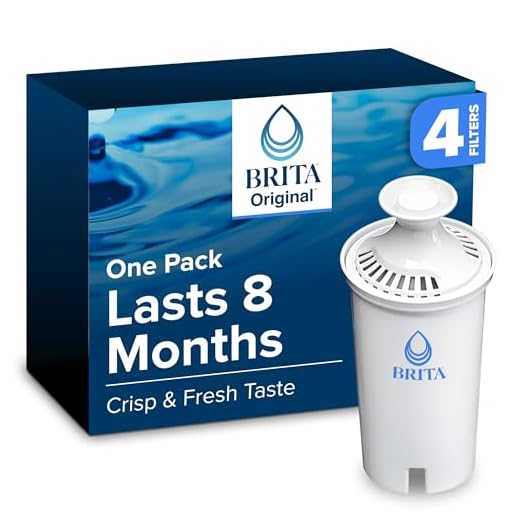
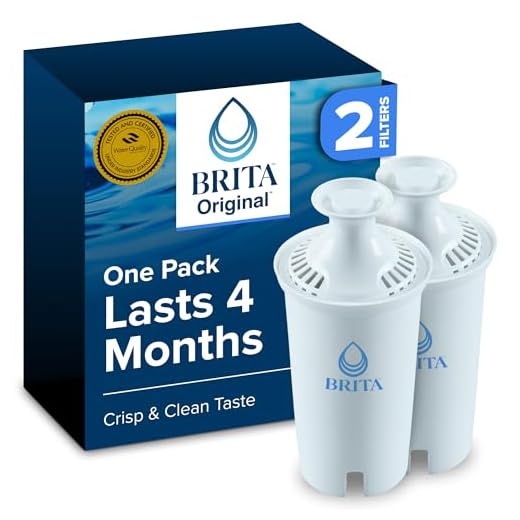
Long-term savings play a significant role in evaluating cost efficiency. Frequent filter replacements can add up over time, impacting overall expenses. Brita filters typically need replacement every two months, whereas Pur filters may last longer, depending on water quality and usage. Customers should also factor in potential differences in replacement costs, as these can influence the total investment over several years. Understanding the lifespan and performance of each filter is crucial for making a financially sound choice that reflects both short-term and long-term needs.
Upfront Costs vs. Long-Term Savings
When considering the initial price of Brita and Pur filters, consumers often find that the upfront costs vary significantly. Brita tends to be more affordable in terms of both pitcher and faucet-mounted filters. Pur, while generally pricier, offers specialized filters that boast advanced contaminant removal capabilities. Investing in a high-quality product may lead to better water quality and overall satisfaction, but the higher initial expense can be a deterrent for some buyers.
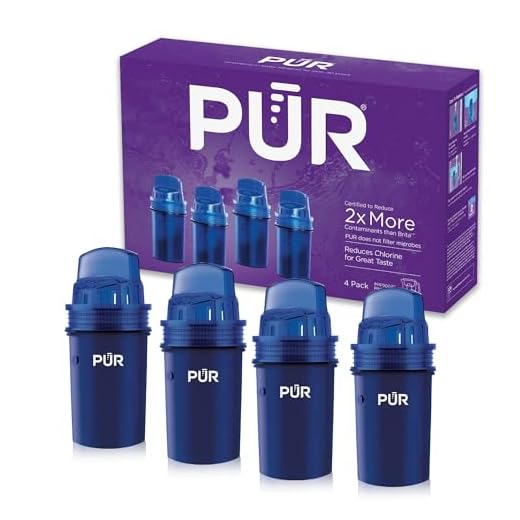
Long-term savings play a crucial role in decision-making. Regular filter replacements are necessary for both brands, impacting overall cost efficiency. Brita’s filters typically have a lower replacement cost, which might make it budget-friendly over time. In contrast, Pur filters may require fewer replacements due to their superior filtration technology. Consumers must weigh these costs against their needs and preferences to determine which system offers better value in the long run.
Taste and Odor Improvement
Both Brita and Pur filters have gained popularity for their ability to enhance the taste and smell of tap water. Users often report noticeable improvements, with many appreciating the crispness that filtered water offers compared to unfiltered sources. Taste is subjective, which means individual experiences may vary. For some, the difference can be striking, while others may perceive minimal changes.
Feedback from consumers highlights the effectiveness of each brand in reducing chlorine taste, which is common in municipal water supplies. Pur filters generally emphasize their activated carbon technology, claiming superior performance in odor removal. Brita, on the other hand, markets its filters based on the ability to remove various impurities, contributing to a more pleasant drinking experience. Individual preferences can play a significant role in determining which filter aligns better with personal expectations on taste and odor.
Consumer Preferences and Feedback
Users often express strong opinions about the taste and odor of water filtered by Brita and Pur systems. Many find that Brita filters provide a crisper and fresher taste, making it a popular choice for households. In contrast, some Pur users appreciate the added mineral content that enhances flavor. Preferences tend to vary based on individual palates and intended use, such as cooking or drinking.
Customer feedback across both brands frequently highlights user experience with filter changes and the overall convenience of each system. Brita’s system is often praised for its easy filter replacements and user-friendly design. On the other hand, some Pur users have noted that their filters tend to last longer, which can be a decisive factor for those prioritizing longevity. Ultimately, personal experiences play a crucial role in determining which brand resonates more with consumers.
Environmental Impact
The environmental implications of water filtration systems extend beyond immediate usability. Both Brita and Pur face scrutiny regarding the use of plastic in their filter cartridges, which contributes to increasing plastic waste. While each brand has made strides in utilizing recycled materials in their products, the overall impact remains significant. Consumers are becoming increasingly aware of the lifecycle of these filters and their contribution to plastic pollution.
Sustainability efforts are gaining traction among major brands. Brita, for example, has introduced recycling programs that encourage users to return used filters for proper disposal. Pur has also taken steps to promote environmental responsibility through its product innovations. Such initiatives reflect a growing commitment to reducing the ecological footprint, even as the demand for convenient water purification solutions rises.
Plastic Waste and Sustainability Efforts
Both Brita and Pur have recognized the importance of sustainability in their product designs and manufacturing processes. Both brands produce filters that are designed to reduce the overall plastic waste generated by single-use bottled water. Brita offers a recycling program that enables consumers to send back used filters for proper disposal or repurposing. This initiative not only addresses environmental concerns but also promotes a circular economy.
Pur, on the other hand, has made strides in creating filters that utilize a more eco-friendly approach. Their filters typically require less material in their construction while maintaining effective contaminant removal. The company also emphasizes the reduction of single-use plastic waste by encouraging users to rely on filtered tap water rather than bottled water. Both brands continue to innovate and adapt in response to growing consumer awareness regarding sustainability.
FAQS
What are the main differences between Brita and Pur filters?
The main differences between Brita and Pur filters include their filtration technologies, the types of contaminants they target, and their overall flavor enhancement capabilities. Brita typically focuses on improving taste and reducing chlorine, while Pur often emphasizes the removal of a wider range of contaminants, including heavy metals.
How do I determine which filter is more cost-effective for me?
To determine which filter is more cost-effective, consider both the upfront costs of the filter system and the replacement filter costs over time. Additionally, evaluate how often you use the filter, as this can impact long-term savings.
Are Brita and Pur filters effective at removing lead from water?
Yes, both Brita and Pur filters have options designed to reduce lead levels in water. However, Pur filters are often cited for their superior lead removal capabilities, so it’s essential to check specific product specifications when making a decision.
How do consumer reviews compare between Brita and Pur filters regarding taste?
Consumer reviews generally indicate that both brands improve water taste, but preferences can vary. Many users report that Pur filters provide a more significant improvement in taste and odor, especially for tap water with strong chlorine flavors.
What is the environmental impact of using Brita and Pur filters?
Both Brita and Pur have sustainability efforts in place, but their environmental impact varies. Brita focuses on recycling initiatives, while Pur emphasizes reducing plastic waste through their products. Consider the recycling options for used filters when making your choice.
Related Links
The Evolution of Brita and Pur: A Historical Perspective
Pur Water Filter: Key Benefits and User Experiences