



Understanding Filter Life and Replacement
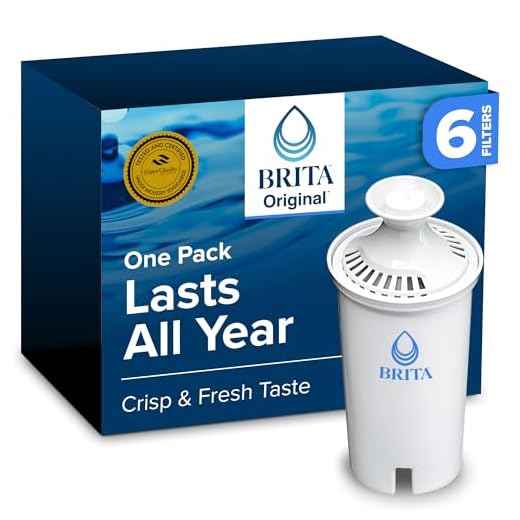
The lifespan of pitcher water filters varies significantly depending on the brand and model. Typically, many filters are designed to last for about two months or filter approximately 40 to 100 gallons of water before needing replacement. The actual longevity might depend on the quality of the water being filtered and the amount of water consumed. Regularly checking the filter’s status and following manufacturer guidelines can help ensure optimal filtration performance.
Replacement frequency is crucial for maintaining clean and safe drinking water. Users should look for indicators on filters that signal when to change them, such as a color change or built-in timers in some advanced models. Neglecting to replace filters in a timely manner can lead to reduced water quality and compromised health, making it essential to stay vigilant about maintenance and follow the recommended schedules provided by the manufacturer.
How Long Do Filters Typically Last?
The lifespan of pitcher water filters generally ranges from two to six months, depending on factors such as usage and the specific brand. Frequent water consumption or the presence of high levels of contaminants can result in a shorter filter life. Many manufacturers provide guidelines for optimal usage to maintain water quality and ensure that the filter performs effectively throughout its lifespan.
It is essential to monitor the filter’s performance over time. Some pitchers feature indicators that alert users when it’s time for a replacement. Regularly changing the filter not only enhances the taste of the water but also ensures that contaminants are adequately removed, providing cleaner and healthier drinking water for you and your family.
Comparing Brand Options
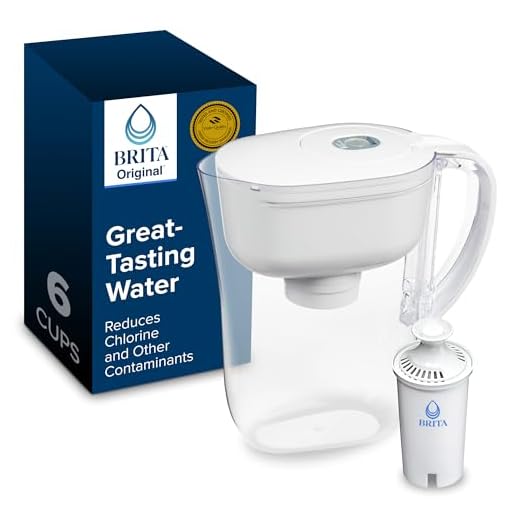
Several brands dominate the pitcher water filter market, each offering unique features that cater to various needs. Brita is one of the most recognized names, known for its reliable performance and affordable filters. Pur also makes a strong impression with advanced filtration technologies that target specific contaminants. Other brands like ZeroWater provide options with higher filtration capabilities, but their filters may need more frequent replacements. It’s essential to assess your specific water quality concerns when evaluating these options.
Additionally, many brands offer varying capacities and filter life, which can influence your choice. Consider how often you plan to refill the pitcher and how many people will be using it. Some options come with built-in reminders to signal when it’s time for a filter replacement, adding a layer of convenience. Evaluating the features of each brand relative to your usage patterns can help narrow down the best choice for your household.
Popular Brands and Their Features
When considering pitcher water filters, several brands stand out due to their innovative designs and performance. Brita is a longstanding favorite, known for its reliable filtration system that reduces chlorine, lead, and other contaminants. Many models feature a sleek design and comes with a filter indicator, ensuring you know when to replace cartridges. Pur is another notable option, offering filters that include activated carbon and ion exchange technology, which enhances contaminant removal, particularly for taste and odor improvement.
Another brand to consider is ZeroWater, recognized for its advanced filtration system that can remove virtually all dissolved solids. This brand often appeals to those who prefer the taste of water with fewer impurities. Also worth mentioning is the Soma filter, which not only offers a high-quality filtration system but also prioritizes sustainability with its plant-based cartridges. Each of these brands has distinct attributes that cater to different user preferences, making it essential to assess individual needs and filter features when making a selection.
Exploring Additional Features
Some pitcher water filters come with additional features that enhance their utility and effectiveness. For instance, filters equipped with indicator lights alert users when it’s time for a replacement. This can help maintain optimal water quality without the guesswork involved in tracking filter lifespan manually. Some advanced models also incorporate multi-stage filtration systems, which target various contaminants.
Other pitchers might include a built-in reservoir that keeps water cold or offers an ergonomic design for easier pouring. Certain brands focus on specific impurities, such as lead or chlorine, allowing consumers to choose models tailored to their particular water quality issues. These unique features contribute to the overall functionality and satisfaction with water filtration systems.
Special Functions That Enhance Filtration
Many pitcher water filters come with additional features designed to improve the quality of filtration. One popular enhancement is the inclusion of activated carbon, which helps to remove chlorine and other impurities that can affect taste and odor. Some models even incorporate advanced filtration technologies such as ion exchange or UV light treatments, providing an extra layer of purification. These features can significantly elevate the drinking experience by ensuring cleaner, more palatable water.
Another important aspect to consider is filters that offer mineral enhancement. Certain pitchers are designed to add beneficial minerals back into the water after filtering, which can contribute to better flavor and potential health benefits. This creates a balance between effective filtration and maintaining essential nutrients. Moreover, some pitchers feature indicators that inform users when it’s time for a filter change, ensuring optimal performance and peace of mind.
FAQS
How do I know when to replace my pitcher water filter?
Most pitcher water filters have a specific lifespan indicated by the manufacturer, often measured in gallons or months. It’s important to check the filter’s status regularly and replace it when it’s due to ensure optimal performance.
Are there specific brands that are better than others for pitcher water filters?
Yes, certain brands are known for their quality and effectiveness. It’s essential to compare popular brands based on features, filtration capabilities, and customer reviews to find the best option for your needs.
What additional features should I look for in a pitcher water filter?
Look for features like LED filter change indicators, filters that reduce specific contaminants (like lead or chlorine), or models that enhance taste. These special functions can improve the quality of the water you drink.
Can pitcher water filters remove all contaminants from my water?
While pitcher water filters are effective at reducing many common contaminants, they may not remove all impurities. It’s important to check the filter specifications to understand what it can and cannot filter out.
Is it worth investing in a more expensive pitcher water filter?
It often depends on your water quality needs and preferences. Higher-priced filters may offer better filtration capabilities, longer filter life, and additional features, which could be beneficial depending on your situation.
Related Links
What to Consider When Buying a Water Pitcher Filter
Roundup of the Best Water Pitcher Filters on the Market
Reviewing the Most Popular Pitcher Water Filters in 2023
10 Best Pitcher Water Filters for Healthy Hydration